






Home
sponsor

Welcome to Blue Zones Project Jacksonville

Making the healthy choice the easy choice for everyone in Jacksonville.

Facts & Resources

Project Overview

Making our community a place where people live better, longer with a higher quality of life.

The Blueprint

Read the implementation plan for achieving the strategies our Sector Commitees have set for us.

Volunteer

Sign up to help our neighbors live better, longer by creating a healthier, happier Jacksonville.

Take the Pledge

Start your journey today and make the following promises to yourself and your community.

Join the Movement

Our community is on its way to becoming a Blue Zones Community. That means residents and organizations are focused on improving well-being for themselves and their neighbors. Together, we can make Jacksonville a healthier and happier place for current and future generations.

Upcoming Events

The Blue Zones Story

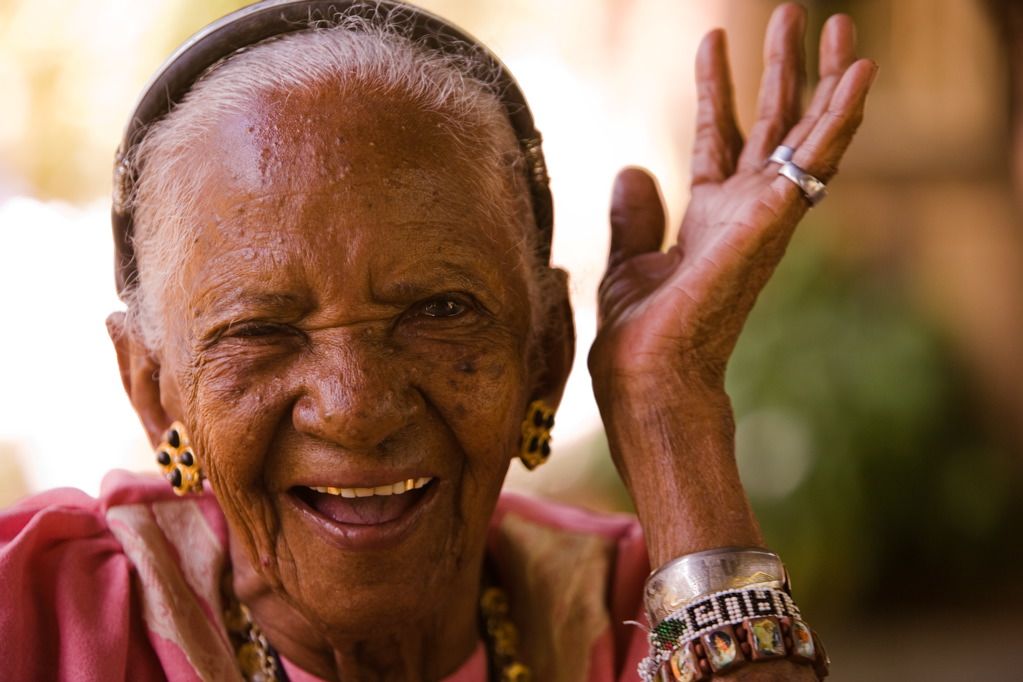
In 2004, Blue Zones founder Dan Buettner teamed with National Geographic, the National Institute on Aging, and the world’s best longevity researchers to identify pockets around the world where people lived measurably better, longer. In these blue zones (Sardinia, Italy; Ikaria, Greece; Nicoya Peninsula, Costa Rica; Seventh-Day Adventists, Loma Linda, California; Okinawa, Japan) they learned that people reach age 100 at rates 10 times greater than in the United States. Using the wisdom from the original blue zones, we help people live better, longer through community transformation programs that lower healthcare costs, improve productivity, and boost national recognition as great places to live, work, and play.

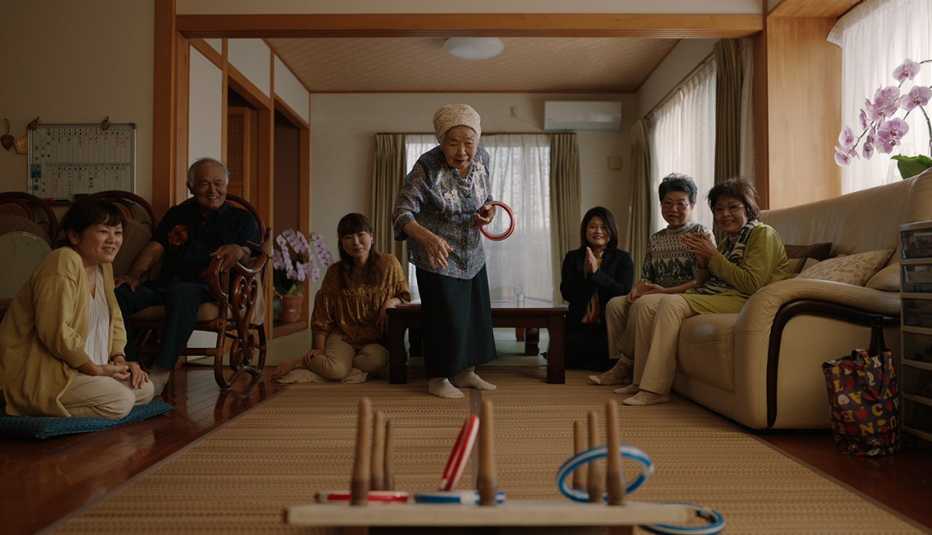
The Power 9® - Reverse Engineering Longevity

Our Blue Zones team then assembled a team of medical researchers, anthropologists, demographers, and epidemiologists to search for evidence-based common denominators among all places. We found nine. 

  1. Move Naturally – The world’s longest-lived people don’t pump iron, run marathons or join gyms. Instead, they live in environments that constantly nudge them into moving without thinking about it. They grow gardens and don’t have mechanical conveniences for house and yard work.
  2. Purpose – The Okinawans call it “Ikigai” and the Nicoyans call it “plan de vida;” for both it translates to “why I wake up in the morning.” Knowing your sense of purpose is worth up to seven years of extra life expectancy.
  3. Downshift – Even people in the Blue Zones experience stress. Stress leads to chronic inflammation, associated with every major age-related disease. What the world’s longest-lived people have that we don’t are routines to shed that stress. Okinawans take a few moments each day to remember their ancestors, Adventists pray, Ikarians take a nap and Sardinians do happy hour.
  4. 80% Rule – “Hara hachi bu”  – the Okinawan, 2500-year old Confucian mantra said before meals reminds them to stop eating when their stomachs are 80 percent full. The 20% gap between not being hungry and feeling full could be the difference between losing weight or gaining it. People in the blue zones eat their smallest meal in the late afternoon or early evening and then they don’t eat any more the rest of the day.
  5. Plant Slant – Beans, including fava, black, soy and lentils, are the cornerstone of most centenarian diets. Meat—mostly pork—is eaten on average only five times per month.  Serving sizes are 3-4 oz., about the size of a deck of cards.
  6. Friends at 5 – Maintaining social connections with friends, often over food. 
  7. Positive Pack The world’s longest lived people chose–or were born into–social circles that supported healthy behaviors, Okinawans created ”moais”–groups of five friends that committed to each other for life. Research from the Framingham Studies shows that smoking, obesity, happiness, and even loneliness are contagious. So the social networks of long-lived people have favorably shaped their health behaviors.
  8. Loved Ones First – Successful centenarians in the blue zones put their families first. This means keeping aging parents and grandparents nearby or in the home (It lowers disease and mortality rates of children in the home too.). They commit to a life partner (which can add up to 3 years of life expectancy) and invest in their children with time and love (They’ll be more likely to care for you when the time comes).
  9. Belong – All but five of the 263 centenarians we interviewed belonged to some faith-based community.  Denomination doesn’t seem to matter. Research shows that attending faith-based services four times per month will add 4-14 years of life expectancy.
POWER 9 PHOTO
To make it to age 100, you have to have won the genetic lottery. But most of us have the capacity to make it well into our early 90’s and largely without chronic disease. As the Adventists demonstrate, the average person’s life expectancy could increase by 10-12 years by adopting a Blue Zones lifestyle.
Social Media Feed
You’re invited to a Zoom conversation focused on diabetes in Jacksonville and its connection to nutrition and dining practices. The discussion will bring together clinicians, nutrition professionals, and local partners to explore ways restaurants can adapt menu offerings, support diabetes-friendly dining choices, and consider cultural relevance and accessibility in under-resourced Jacksonville neighborhoods. Insights from the conversation will help inform a Diabetes-Friendly Dining Guide for the community.Register today at BlueZonesProjectJacksonville.com/Events ... See MoreSee Less
View on Facebook
Consent Preferences